

It’s time for a new beginning in your life! When you are 40 weeks pregnant, this might be the last week of the pregnancy. However, some pregnant women may carry the baby for an additional one or two weeks. This is the time for every 40-week pregnant woman to have real expectations. A positive mental state can make you tell yourself that everything will be okay and trust that it will.
Human minds are the most powerful tools, and this is definitely true in the case of pregnant women because of the bond between mother and child.
For women who carry baby girls, this week is the last week of the pregnancy journey, and for women who carry baby boys, the pregnancy may go on for an additional week or two. It is a proven fact that baby boys are a little lazier than baby girls when it is time to leave the mother’s womb. So, women can also plan for their delivery based on the baby’s sex.
95 percent of the babies are born either in the two week period before or after their due date. Each healthcare provider has precise instructions about when to contact and when to visit the maternity center, as well as what to drink or eat in early labor. If you have not been provided with any instructions, now is the time to call.
Symptoms experienced by a 40 weeks pregnant woman:
If you notice regular contractions and they are less than four to five minutes apart, then you should be checked by your care provider.
If you don’t notice any contractions or pain during this week, there might be a chance to continue your pregnancy for one or two more weeks. When you reach the end of pregnancy week 42, you are considered post-term. In this case, your obstetrician will perform a test to ensure that there is good utero-placental circulation. The tests may involve a contraction test, a biophysical profile, or a non-stress test.
Even if the labor has not yet begun when you reach the end of the 40th week of pregnancy, there are some methods to induce labor naturally that you can try, but only with the doctor’s approval. Some women may be afraid to try these procedures, while others have fun with them. Here is the list of natural labor inducers:
- Walking: Really it is a great form of exercise to stimulate labor especially if you have irregular contractions. Walking makes your baby to move even down into the pelvis and induce the labor. Also, walking aids to decrease the discomfort associated with contractions.
- Membrane stripping: During some events, the doctor may strip the membranes to start the labor process. During the vaginal examination, your obstetrician may put a finger through cervix and sweeps the membranes to help release the amniotic membranes from the uterine cavity. Membrane sweeping produce a hormone called prostaglandin that can push your body into the labor.
- Spicy foods: Most people think that eating spicy foods or foods that contain garlic or cumin can help start the labor. Though there is no scientific evidence for this, there will be nothing wrong to try this.
- Intercourse: Sex is very much beneficial to induce the labor process. Semen contains prostaglandins that help to stimulate the contractions and start the labor. Your partner may also be interested because the intercourse will be avoided six weeks postpartum. So why not give it a try? There is no harm and it may ripen the cervix and trigger contractions in women.
- Nipple stimulation: This procedure can cause the release of oxytocin that can trigger contractions. This can produce very long and very strong uterine contractions. The procedure can be dangerous for the baby as it can slow down the baby’s heart rate. So, perform the procedure only with the doctor’s approval.Pregnancy tips
Physical changes that occur:
Isn’t it amazing how much weight you’ve gained? You have gone from less than five pounds in the earlier pregnancy weeks to over 25 pounds. For an average-sized woman, the weight gain during pregnancy week 40 is approximately 25 to 35 pounds. It is the most recommended weight gain.
Weight gain for overweight women is roughly around 15 to 25 pounds, whereas for underweight women, it is anywhere between 28-40 pounds.
Fetal changes that occur in a 40 weeks pregnant women:
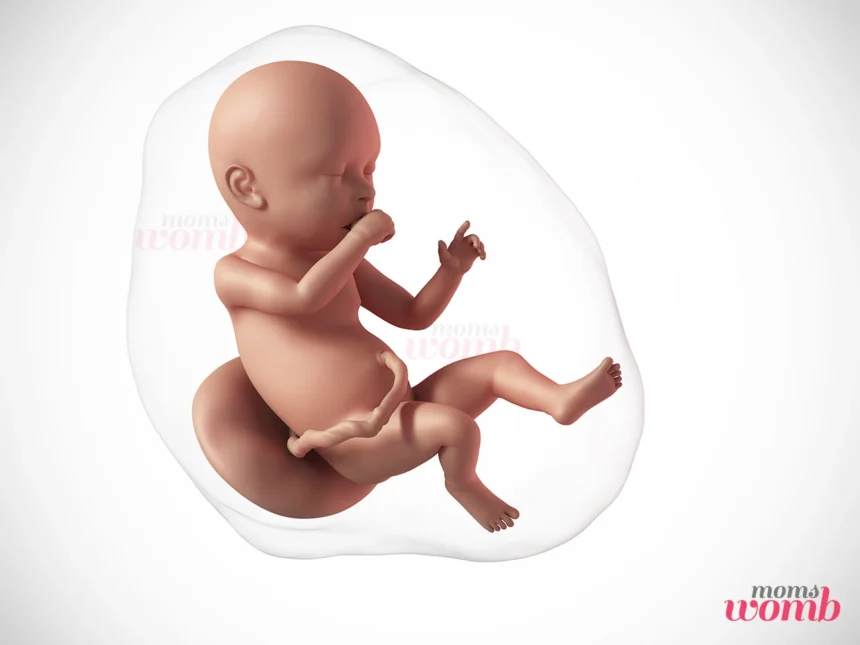
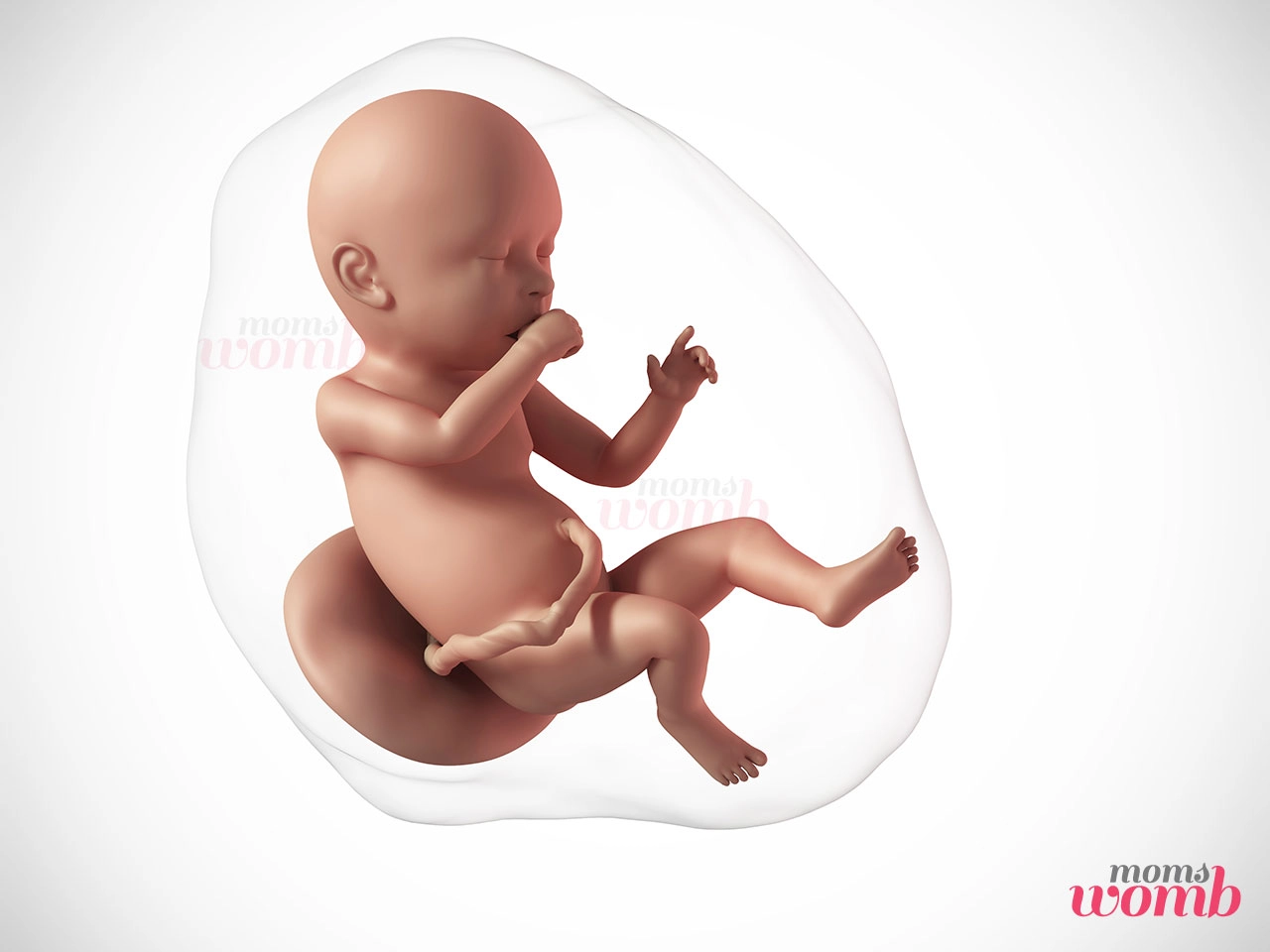
When you are 40 weeks pregnant, the baby is 22 inches long and up to 7.5 pounds in weight. Generally, full-term babies can greatly vary in their weights. They can weigh 6 pounds or as much as 10 pounds. Generally, a baby is the size of a watermelon.
Now the baby has gained enough fat under the skin. Enough fat deposition can help keep the baby warm after birth.
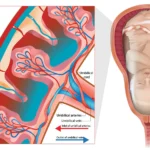
The placenta continues to provide antibodies that will protect the 40-week fetus from illnesses and infections.
By this week, your baby has very well-developed reflexes and can open and close his or her eyes in response to what is going on around him or her. The baby can respond clearly with the light, sound, touch, etc.
The baby’s bones are still not fused, allowing him or her to pass more easily through the birth canal. Pregnancy
What care should be taken by a 40 weeks pregnant woman?
Remember that being active during pregnancy controls the flexibility of the articulations at the time of birth. It is critical to be aware of everything that happens to you during week 40 of your pregnancy. At the same time, feeling relaxed and calm can ease your labor process. Yoga and breathing exercises can help the delivery go smoothly.
Want to know what happens immediately after birth? The placenta will drive out about 20-30 minutes after birth. This organ should expel completely, if it does not, you will be at higher risk of hemorrhage. Your doctor will perform a complete examination after the placental expulsion and make sure that no fragments remain. Pregnancy complications